
Branding is supposed to represent what a company believes in and how they see the world. It’s a series of signals to customers and potential customers showing what’s valued. But most brands have competing interests. If a brand isn’t making money, it probably isn’t going to be a brand for too much longer. So while brands are typically talked about in an aspirational, creative sense, they’re tightly bolted to the business engines that support them. As the business changes, so does the brand and its market perception.
Is Apple (to use the most trite example) a brand or a company? It’s clearly both, but it’s in Apple’s best interest to spotlight the brand, not the company. Apple the brand is sleek, pithy, design-driven. Apple, the company, is one of the three biggest businesses in the world. It’s a wheeling, dealing, lobbying juggernaut. The brand promotes the Black Unity band for Apple Watch on their homepage during Black History Month. The company gives money to Trump’s inauguration campaign. Apple is “designed in California.” Apple is made in China. Branding meets capitalism. I’m not trying to single out Apple. But as one of the world’s most revered and oft-cited brands they become a particularly illustrative example here.
Brands are not static.
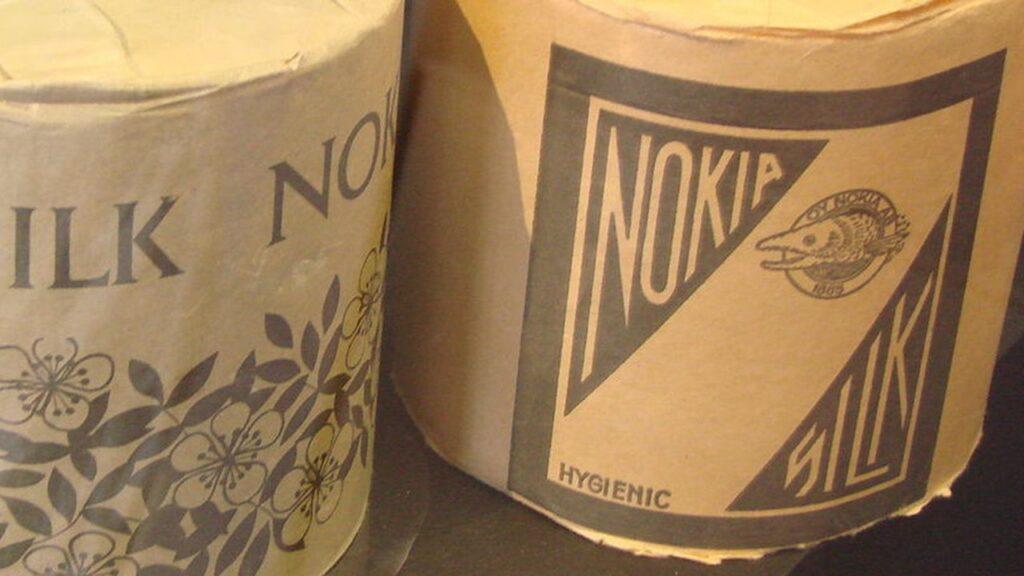
What they value and believe changes over time. This isn’t necessarily insidious or two-faced. It’s hard to grow without changing. This applies to humans as much as it does to brands and companies. Nokia used to make toilet paper and rubber boots. Listerine used to be sold as a floor cleaner and cure for gonorrhea. The resulting changes in business focus obviously necessitated complementary changes in branding. It no doubt takes some hard work to get someone to gargle a product they learned about as a floor cleaner. Even if a brand isn’t drastically changing its offering, growth alone changes a brand’s perception. Most chain restaurants start with just a single location. Our expectations of a chain are just different–for better and worse.
Musicians run into this issue all the time. The “sophomore” album is notoriously difficult. Having a hit album changes you. It’s hard to tap into a younger, less wealthy, less popular version of yourself when that’s no longer your reality. The same is true for brands. People treat big, popular brands differently than they treat small ones. Acting “small” comes off as disingenuous even if you simply haven’t changed your brand since becoming popular. This doesn’t mean that everything has to change. Some aspects of brands persist much like some personality traits persist even when circumstances change drastically. These persistent elements or qualities are at the root of good branding.

Workwear brands are compelling examples here. Carhartt and Levi’s have genuinely blue collar roots dating back to the 1800s. Both brands still find a way to be at home in an American blue collar environment even though they’re multi-billion dollar operations that have offshored their production [Carhartt] [Levi’s] to cut costs. They have also both created premium lines, Carhartt more successfully than Levi’s, that target white collar audiences. So while these businesses have grown well outside their initial brands, they have figured out ways to evolve without alienating most of their core customers.
Capitalism demands an unyielding pursuit of profit increases.
This is not a value judgement, it’s a fact. And most businesses exist for profit. The financial pressure is especially strong at publicly traded companies who have a fiduciary responsibility to shareholders. Attempting to pump the brakes on growth is a surefire way to get relieved of your duties. Capitalism doesn’t care about branding unless it’s helping to make more money. This is one of the reasons the desire for accountable branding ROI is so strong. If you can prove branding makes money, it’s worth a capitalist’s time. But branding is creative. It’s a soft skill that’s also inherently commercial. It’s not art because it will always be subject to the direction and approval of a corporate sponsor.
The business makes business decisions and branding follows suit, attempting to rationalize those business decisions in a societal context. In this sense branding is a mediator between a company and its customers. It’s the humanistic veneer that gives a company a personality–that attempts to provide a face and a voice to what the business is offering.
Some of the strongest brands have a sense of morality. Like a well-written character in a book, you have a feeling of how they’re going to react to news and events before the brands actually take action. Patagonia is the obvious example here. They make outdoor goods so it makes sense that they’re vocal about protecting nature. This sits well with their customer base. Patagonia products do cause some harm to nature and they don’t shy away from that. In fact, they actually chronicle their work to lessen their impact. Values don’t mean anything unless they cost you something. While Patagonia’s stance may alienate some potential customers, it deeply entrenches them with a large outdoor audience that sees the world similarly to the way they do. Not trying to appeal to everyone gives their brand a more human and believable personality.

Another interesting example here is Whole Foods, which started out as the first “natural foods” store to gain nationwide traction in the US. Over time they have needed to reshape the story around what “whole foods” means. They have more stores, more SKUs, and their in-house 365 brand has turned the screws on many of the farms and producers they used to support. Their sale to Amazon accelerated these trends and the brand followed suit. Whole Foods is currently positioned as more of a masstige grocer with specific health-leaning nods like the banned ingredients list they promote on their shopping bags. It’s hard to grow to 550 locations without watering down the message.
Branding and capitalism will always be at odds to some degree, especially as growth accelerates. Funnily enough, this will tend to create more work for branding people. As a company grows it becomes harder to find messages and positioning that feel genuine and specific. Sometimes companies split or create divisions to have more focused relationships with smaller audiences. But make no mistake, if the money isn’t rolling in, the business is going to do whatever it can to survive and the branding will attempt to put a believable face on it later. The best branding work comes from people who are clear-eyed about this tension—people willing to poke and prod the edges instead of pretending it isn’t their concern.