
When building something new, most companies are likely familiar with their most relevant competition — their names and brand identities. Some companies have to face off with densely populated sectors where competitor names (and their inspirations) are nearly identical, and can create a significant level of brand confusion. These crowded spaces can be seen as roadblocks or can be taken as encouragement to name your business or product differently, and separate from the pack with an intriguing, creative, and meaningful name.
Crowded spaces come in a couple of varieties, primarily they are: 1) a collection of competitors all using the same limited naming language to describe their endeavors or products; or 2) a Hydra-like assemblage of competitors that have all taken a different approach to naming in their same field, thereby claiming and occupying a broad swath of naming options. The latter is typically more frustrating than the former. Regardless, someone entering either fray should want to name differently. Just like you should aim to differentiate your offering in terms of product development, positioning, messaging, and logo, you should want to do the same with the name.

In crowded spaces names either cluster or disperse. They are more likely to cluster in “hot markets” and disperse in “perpetually popular” markets, but both are spaces where many companies have reasons to do the same thing. For our purposes, hot markets are those in which a concept (say, project management software) becomes very popular or lucrative and many new companies crop up with similar names and messaging strategies, think: Basecamp, Hive, Monday, OnePlan, Planisware, Planview, Smartsheet, Teams, Teamwork, WiseTeam, and Workfront. While these products might have their differences, all of them have limited their naming perspective to a narrow set of themes. Hot markets have the benefit of being easier on newcomers who are working to find their niche (and name) and can rely on other brand elements to convey their philosophy.
Perpetually popular markets consist of businesses that exist in most American cities and towns like ice cream parlors, beers, bakeries, wines, sandwich shops, spirits, music production companies, bars, film production companies, or fried chicken restaurants. Their proprietors tend to deploy puns, slang, or industry-specific references in their names. A search for “fried chicken sandwich” returned the following names within a 5-mile radius of my home office: Aburaya Japanese Fried Chicken, The Bird, Chicken Meets Oyster, Clove and Hoof, El Pollo Picante, Fowl + Fare, Gus’s World Famous Fried Chicken, Hawking Bird, Hotbird, Kowbird, Lola’s Chicken Shack, Love Burn, Pimpin’ Chkn, Pinky and Red’s, Plucked Chicken & Beer, Proposition Chicken, Split, and World Famous Hotboys. This list of perpetually popular chicken restaurants represents a crowded coop of naming methods ranging from the obvious to the clever, the possessive to the “ampersanded”, and everything in between. Granted, a few of the names use the typical trends in unexpected or unconventional ways. Both kinds of markets can leave newcomers struggling to clutch a share of the market, mind share, patronage, and search engines’ algorithms.
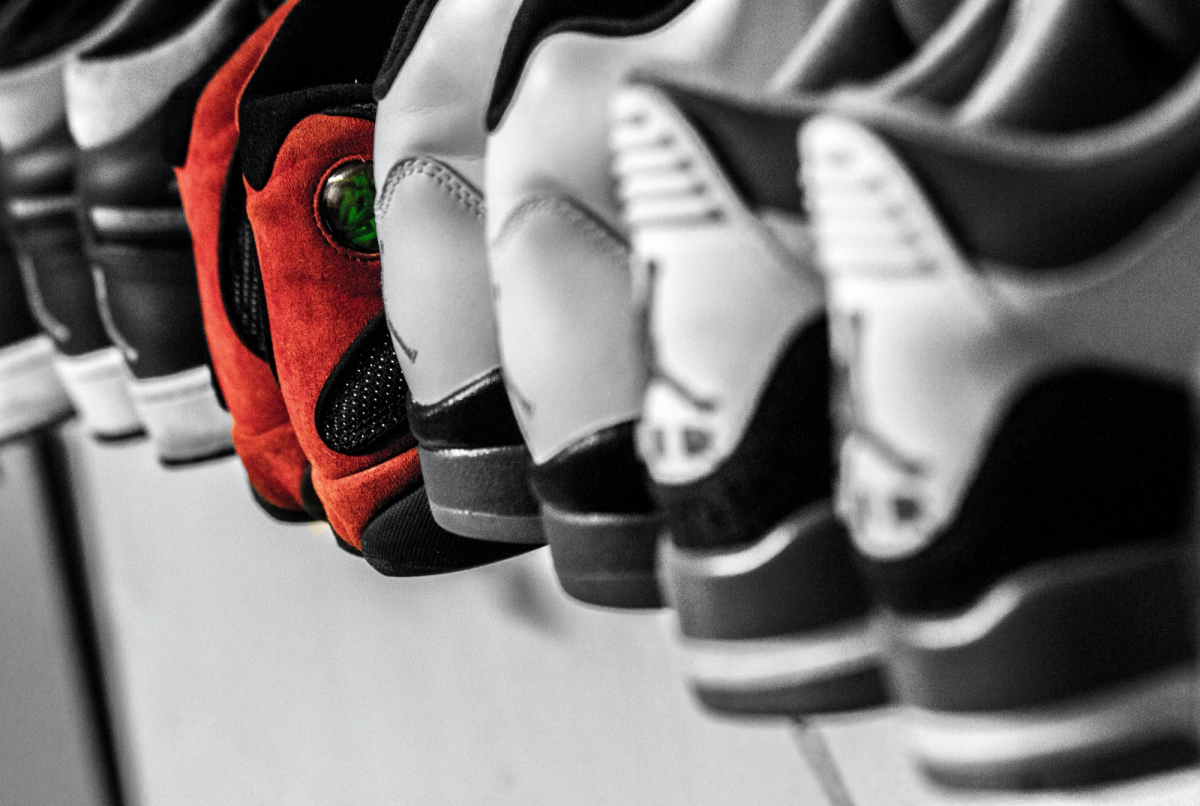
Maybe the most important thing to remember when naming, is that you can do virtually anything you want (!) so why waste your time doing the same thing as someone (or “everyone”) else. Standing out gives clients and customers a chance to understand why you’re in business, what motivates you, what defines you, and why they should be excited to work with you or buy your products. There are inevitably unique cultural differences or personal perspectives between you and the competition so give your patrons something to truly identify with. The less like the others, the better.
Suppose you pursue brewing beer…
Maybe you’re a British expat who couldn’t find a “proper pint” in Southern California? Enter Yorkshire Square Brewing (Torrance, Calif.) who specialize in British-style pale ales, low-alcohol pub bitters, and stouts fit for Prince Harry. Their name references a large, historic county in the U.K., which definitely stands out in sunny Southern California, and indicates the kind of palate they cater to.
Maybe you’re a brewer who loves cats? Then you might build a brand like Fat Orange Cat Brew Co. (East Hampton, Conn.) that was named in honor of their late brewery cat — “Brewmaster Billy,” a fat orange tabby who called the farm brewery home. Their taproom has a few beers that stay on theme, such as a white stout called “All Cats Are Grey In the Dark.”
Maybe you and your life/brewing partner enjoyed traveling the world, but now you’ve settled down to craft something steady? Wander Brewing (Bellingham, Wash.) is just such a union: a wife and husband team that brews a continental collection of beers that run the gamut from Baltic-style porters to Belgian-style foeders to West Coast hazy IPA’s. Regardless of which subcultures your identity cuts across, there should certainly be an interesting way to build on it for a brand name.

Not into beer? Here are some unexpected and engaging names from other crowded industries:
Wine: Field Recordings (the winemaker’s “personal catalog”), Sailor Seeks Horse (a found name from a hand-written, “horse wanted” ad), Yetti and the Kokonut (founders’ nicknames)
Spirits: Devil’s Botany (absinthe), Horse with No Name (habanero chili-laced Bourbon), Wild Common (agave spirits)
Cannabis: Amass Afterdream (cannabis-infused non-alcoholic spirit), Houseplant (smoking accessories and home goods), Sunday Goods (sun-grown cannabis)
Guitars and more: Breedlove (guitars and ukuleles), Midnight Amplification: Moon Funeral (fuzz pedal), Mark of the Unicorn (pro audio technology)
Synthesizers: littleBits (Korg synth kit), Critter & Guitari (musical and video synths), Meeblip (synthesizers)
Film Production: a curated list of some of the better names in this field 😉

A memorable and engaging name lives everywhere your brand does, from online marketing to everyday conversations with clients, customers, and partners. In crowded spaces, your name can tell a strong story about your unique team, your carefully crafted and distinct product, or your goal of sharing your personal philosophy about work culture and corporate structure. Also, embracing that your brand will always benefit from supporting imagery, context, or explanation gives you a chance to be clever and confident with your naming in a way that attracts attention and gets the right response.
In naming, fortune favors the bold. For every Teenage Engineering, Arc’teryx, or Lonely Planet, there are dozens of anonymous brands that are lost to time. By doing just a bit of naming research to see where the pack is headed, you can save yourself a lot of time, energy, and resources that would otherwise be wasted trying to gain recognition in a flooded field. Whether you’re able to eke out a small difference between your closest competitors or find yourself with a bit more space to play, you have a lot of tools at your disposal. Ultimately, having a unique name affords some very practical benefits: it can make the typically-frustrating process of trademarking less of a headache, and will most likely provide better options when hunting for a domain name. In the best case scenario a name that’s truly set apart can enjoy all of these benefits and radiate a singular aura that clients see, hear, and sense from the moment they meet you.
Thanks to Eli Altman and Patrick Keenan.