Naming in games can be blunt, poetic, or just plain weird, and Drew Scanlon has seen it all. From his time at Giant Bomb to producing shows for Twitch, he’s been at the intersection of gaming communities, the language of play, and digital cultural moments that become part of gaming and popular culture. We talked about Twitch emotes as living memes, why some names stick while others struggle, and how games can drown you in jargon or captivate you with mystery.
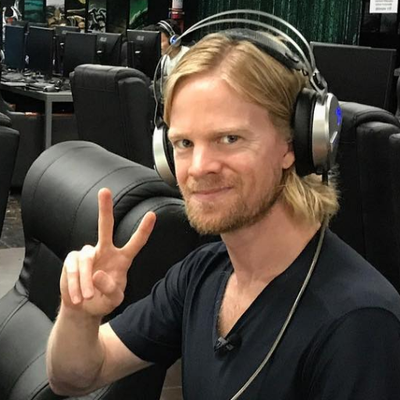
Liam: Let’s start with Twitch—what’s your role there? How do you approach naming and shaping shows for such a community-forward platform?
Drew: I’m on the community team at Twitch as a video producer. We create original Twitch shows that air live on the main Twitch channel. After all, Twitch is a live streaming platform, so it makes sense that our official messaging is live, too.
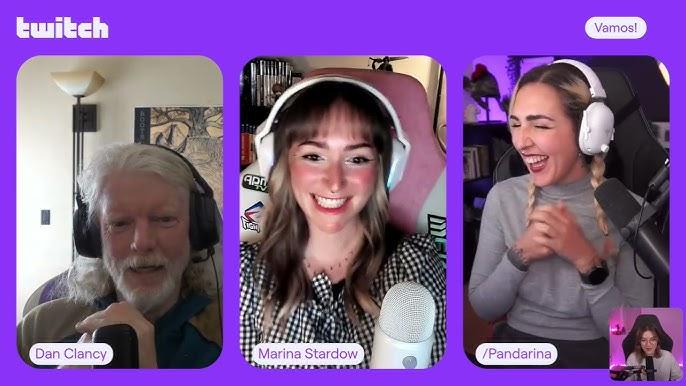
We’ve got shows like Patch Notes (platform updates, often with the CEO taking questions from chat), Creator Camp(best practices for streamers), Twitch Public Access (celebrating the Twitch community), Vamos! (for Spanish and Portuguese-speaking communities), and Let’s Chat (interviews with creators).
Naming is always a balance—you want clarity and accessibility, but you also want something that feels like Twitch, something the community instantly understands.
We also started a Twitch YouTube channel. It’s kind of strange to produce content for a rival platform, but a lot of our community is there too, so our naming and tone have to carry across.
Liam: In regards to those programs, were you at Twitch when they were created? Did you help name any of them?
Drew: Most of them were already in motion. Vamos is one I helped develop. The name literally just came up in pre-production: “What should we call this show?” “How about Vamos?” We brainstormed other ideas, but kept coming back to it. Sometimes the simplest, most natural suggestion is the one that sticks.
Liam: Twitch is full of unique, community-built language that sometimes crosses into the “real world.” Are you able to keep up with all that slang and shorthand?
Drew: There’s so much slang that it’s impossible to keep up with it all! [😆 laughs 😂] Emotes are huge on Twitch—they’re even more important and specific than slang or lingo, I think. On Twitch it is all about emotes and every emote has its own history. There are whole websites dedicated to explaining what a particular emote is and what it means—different communities will even have different definitions. Emotes on Twitch are like living memes.
One emote spammed in chat can completely change the tone of a stream. Depending on settings, AutoMod, the moderation tool, may flag emotes as inappropriate—like a snoring emote can imply a stream is boring. So emotes really are Twitch’s shared vocabulary.
Liam: What role do memes and community-created language play in “renaming” or reframing how we talk about games?
Drew: I think there’s a theme here of memes, inside jokes, lingo, community. They’re all signals, right? About in-group and out-group. And that doesn’t necessarily have to be exclusionary. It can be like joining a cool club that anyone can join.
Giant Bomb is a good example [the video game media brand for news, reviews, podcasts, and videos where Drew previously worked]—we tried to be very inclusive, but sometimes a new viewer or listener would come in and go like, “What are all these phrases that people keep sending?” Our fans would often be nice and explain them. We even had a thread on the forums that explained a lot of the “in jokes.” I think it can go either way. It can feel like, “Oh, I am part of the club,” or it can feel exclusionary.
In games, naming works the same way. Compare Bungie’s Halo and Destiny. Halo’s proper nouns felt grounded and elegant. Destiny ramped that up so much that it could feel overwhelming—like you were drowning in jargon. Souls games like Dark Souls or Bloodborne go the opposite direction: their naming is obscure, mysterious, sometimes even opaque. But that mystery pulls you in.
Liam: Mystery can be powerful, but sometimes games lose the thread or are distracting with hyperbolic writing—like when weapon names get surreal or intentionally hyper weird, or character names are superfluous.
Drew: Yeah, exactly. Developers sometimes have to name a thousand items or weapons. It’s like Diablo II on LSD—you can get brilliance mixed with nonsense. Sometimes you can tell different writers had fingerprints on different parts of the work.
Liam: Are there naming conventions in games that feel totally overused—or really effective?
Drew: At Giant Bomb, among the editorial staff, we had this running joke about what words not to put in a game title. We would laugh whenever another game came out with the title “[Game Name]: Origins.” Another one?! Or when there were so many properties/games about one IP, and if the developers didn’t have any more ideas, they would just strip everything out and put “The” in front of it. Like the game The Wolverine. We also joked that if you put the word “Storm” in your game title no one will be able to remember it. It’s such a bland and overused word in games.
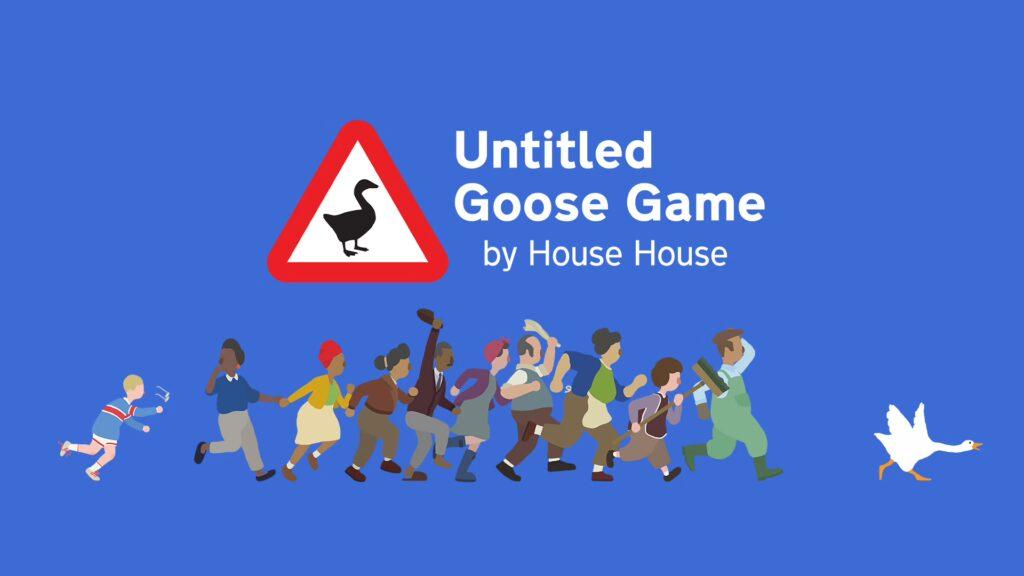
On the other hand, some names just work forever. Untitled Goose Game is perfect: it hooks you, feels contradictory and odd at first, but it was totally normalized by the time the Game Awards rolled around. Everyone was just saying it without thinking. PUBG is another one: PlayerUnknown’s Battlegrounds is a terrible name, but everybody just ended up calling it “PUBG.”
Liam: Do you think frivolous or implicitly ironic names can limit a game’s long-term growth?
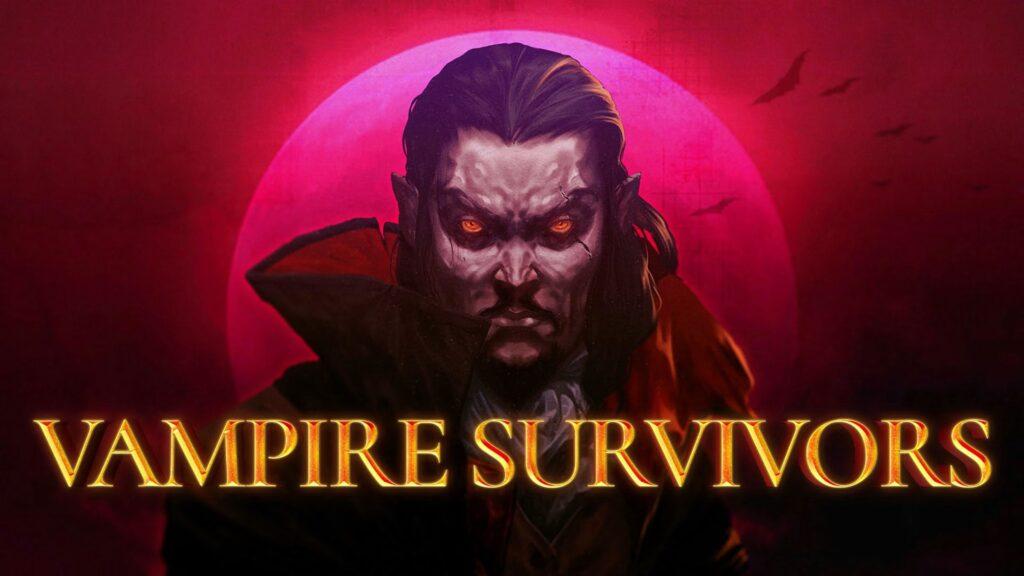
Drew: Sometimes, but often they help more than hurt. I think there’s something to be said for just being unique enough to stand out. They don’t even necessarily have to make sense. Vampire Survivors doesn’t make sense, but it’s quirky and catchy. There’s a niche-ness to hitting a certain tone. It sounds like a “Transylvania Last of Us.”
Loop Herois awkward, but it feels memorable. Metaphor: ReFantazio sounds bizarre, but it sparks curiosity.
Liam: In general do you think naming in games is getting better or worse?
Drew: Better in terms of polish, but worse in terms of variety—that’s what I would worry about. Early video games had hilariously blunt names like Baseball on the Atari 2600. They didn’t want to confuse you. Then they would use painterly box art to conjure a fantasy of that game or activity. In general, it feels like risk-taking is rarer now—everything sounds a bit same-y.
Liam: In gaming who usually makes the final calls on names?
Drew: In my limited experience, it seems to be that the name of the game (what actually goes on the storefront page) is all anyone with authority cares about. Publishers have a lot of opinions about that. They’ll have a brand bible that enforces capitalization and hyphenation rules. But item names, mission names, character names—those usually fall to the developers themselves.
When I was at Digital Eclipse we did a collection of Blizzard’s very early games—they made Super Nintendo games before Warcraft. The collection included Rock n’ Roll Racing, Blackthorne, and The Lost Vikings. We came up with a bunch of names for the collection and there was a lot of back and forth with Blizzard. They ultimately decided to call it the Blizzard Arcade Collection. I thought that was funny because none of these games were ever in an arcade—they all came out on home consoles. On one level it doesn’t make any sense, but it’s one of those scenarios where I understand why they would have this impulse.
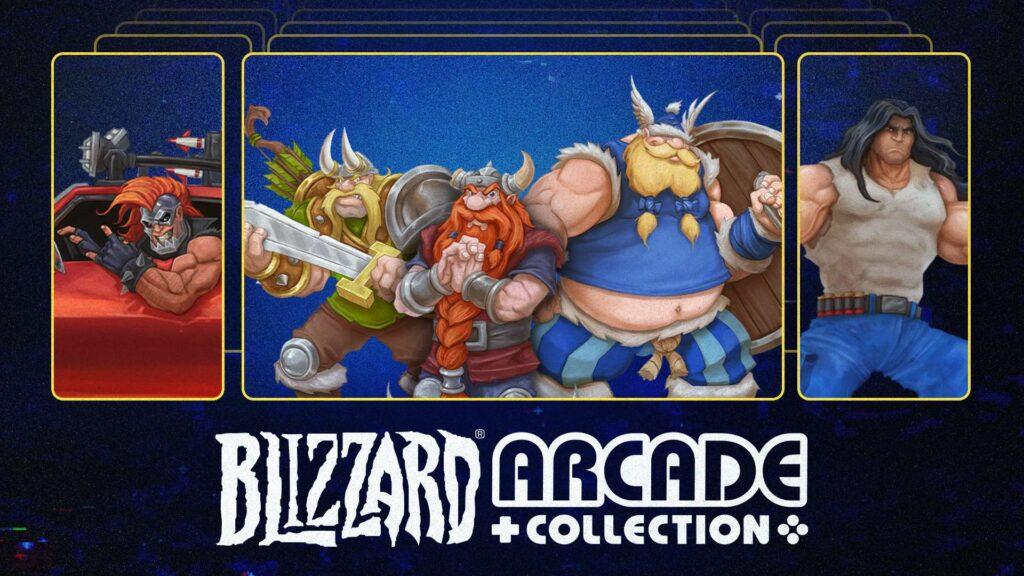
If you are scrolling through a list of games on Game Pass, or whatever, and you come across the Blizzard Arcade Collection my guess is that they thought that the consumer’s expectation of these games would be lower because they associate “arcade games” with smaller scopes. They didn’t want you to expect a modern Blizzard game caliber. Also it’s an older collection, but if you call it something like the Blizzard Classic Game Collection people are going to be like, “Where’s Warcraft?! It’s a classic!” It would have been more accurate to say it was the Blizzard Console Collection, but does console convey enough? It’s one of those cases where it doesn’t really make any sense to me and I kind of hate it a bit, but I understand why they went with it.
Liam: When traveling with Cloth Map [Drew’s video series “exploring the world through the lens of games”] did you notice any striking naming or localization differences?
Drew: This happens a lot. For example, Brazil’s game industry sort of developed in a vacuum—mainly due to import and export rules. As a result, the Sega Master Systemand Genesis consoles lived forever because there wasn’t much else available. A Brazilian company called Tectoy actually got the license to manufacture Sega consoles and games. They took a Master System game called Ghost House, and changed it into a game about a completely different Brazilian IP, called Chapolim x Drácula: Um Duelo Assustador. That’s maybe the best example that I can think of.
Liam: Did you uncover any interesting naming or language taboos with Cloth Map?
Drew: I don’t know if we covered that specifically, but there’s certainly censorship—it is a very real thing in a lot of places. For example, the complete censorship of the swastika in Germany. Cuba has got a lot of censorship going on. They have access to the internet, but it’s not widespread and it’s not very fast so regular citizens built basically a city-wide LAN where people can log on and play games. However, they know that people from the government may also be on that network so they don’t want to run afoul of anything that would be looked down upon.
Liam: Any gaming terminology you’ve noticed bleeding into mainstream culture?
Drew: Tons. Living in San Francisco you overhear a lot of conversations about tech. Sometimes I will hear people whom I know to be non-gamers using gaming terminology without even thinking about it. Clearly it is just commonplace in their office or their in-group. It’s just part of the lingo. A good example is “multiplayer.” As in “we need to play multiplayer on this,” like we need to work together. Or in the case of something like Figma, working on a collaborative project will be referred to as “multiplayer capability.” “Level up” is another one I hear a lot.
Liam: Last one—what’s a game you love that just has a bad name?
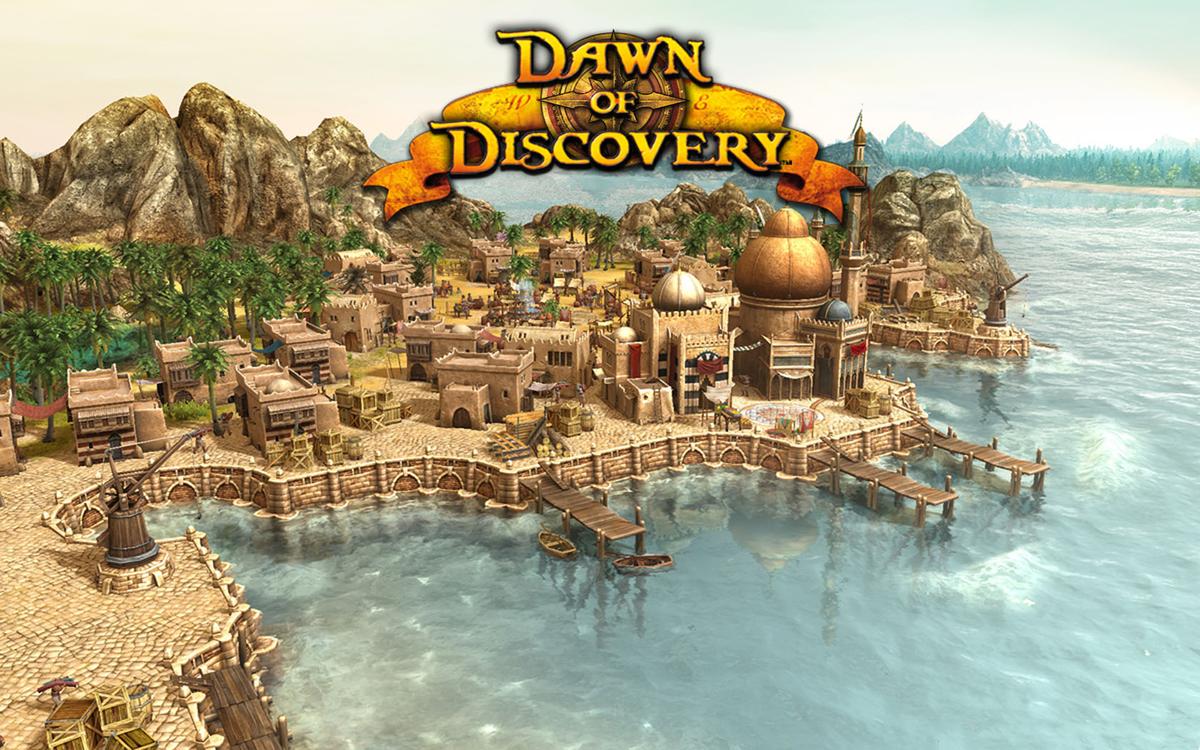
Drew: There are a bunch of games that I love that have bad names. Picross 3D Round 2, Loop Hero, Vampire Survivors, Yoku’s Island Express, Dawn of Discovery. That last one just sounds very generic, but I love the game. One of my very favorite mobile games is called Solitarica and it does feature a regular deck of cards, but it’s not actually solitaire. Whenever I try to describe it to people they just say, “I don’t need to play another solitaire game,” but I’ll be like, “no, it’s not solitaire! Trust me! It’s awesome!” I understand why they call it that, because it is a single-player game where you fight an enemy using your deck of cards. So it’s accurate, but I think it does itself a disservice by maybe putting people off who don’t want to play some new kind of solitaire.
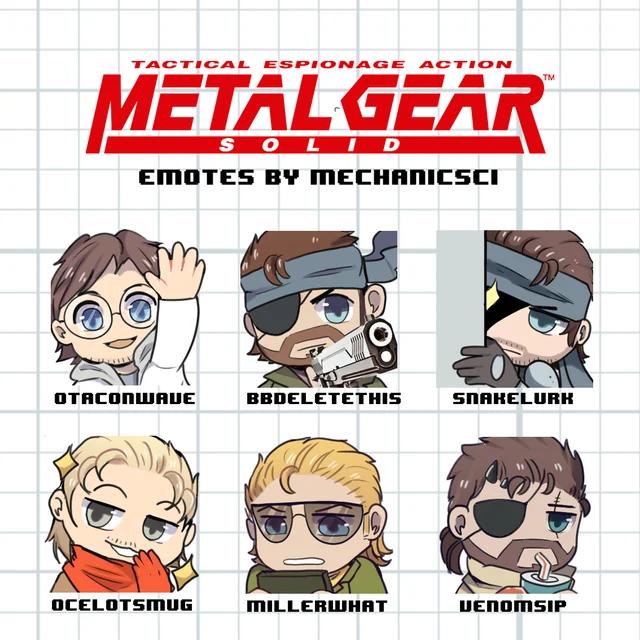
Metal Gear Solid is a weird phrase—there’s a lot of weird stuff going on there. It doesn’t tell you anything. Metal and solid are basically the same thing. Maybe the mystery is intriguing? But I always loved the subtitle of Metal Gear Solid: Tactical Espionage Action. It is so descriptive—that is exactly what the game is.
There are another couple examples from a different Japanese genre. Devil May Cry and Bayonetta are considered “stylish hard action” games. I love that! I love that it’s another one of those clearly Japanese-translation derived phrases. The words kind of make sense together, but not really. I just love that kind of stuff.
Liam: I think Metal Gear Solid and Devil May Cry have some poetry to them.
Drew: Right. It’s exactly that. It’s interesting when names are made up of these short word “chunks” that are so compact and powerful. When you do something like that it feels like you can “own” them as their own independent phrases. Yeah. I like Metal Gear Solid. It’s so funny.
Thanks to Drew for his time and thoughtful dialogue. If you’d like to follow along with his adventures, you can see what he’s got going on here, explore his experiences with Cloth Map, or keep up with the latest in Formula One Racing on the Shift+F1 podcast that he co-hosts.