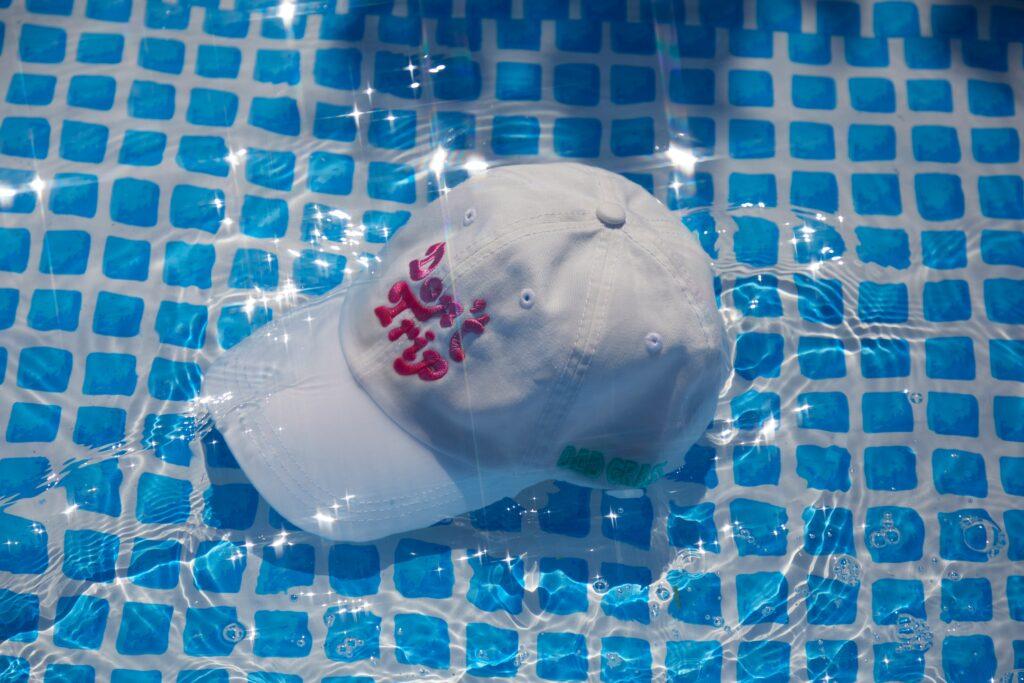
In this role, few things are quite as satisfying as seeing a newly-launched name in the physical world—whether that’s on product packaging, a billboard, or a business card. Suddenly the intangible has become tangible, part of an environment where it can be observed, manipulated, and, hopefully, remembered.
After recently being asked to evaluate names based on how they’d look on some merchandise (i.e., would you wear that?), it became clear that the ultimate physical canvas in 2025 might just be a crisp, quality-made tee. When thoughtfully designed, merch can be a tool for brands to send a signal about who they are and how they fit into people’s lives.
Since the late 19th century, businesses have been putting their names on merchandise that can be worn, carried, or used in other parts of daily life. Branding lore traces the first instance of branded merchandise to 1881 in Coschocton, Ohio, where a printing business partnered with a local shoe store to print its name on schoolchildren’s book bags. Soon, the names of other Coshocton merchants graced everything from aprons to horse covers, and merch was born.
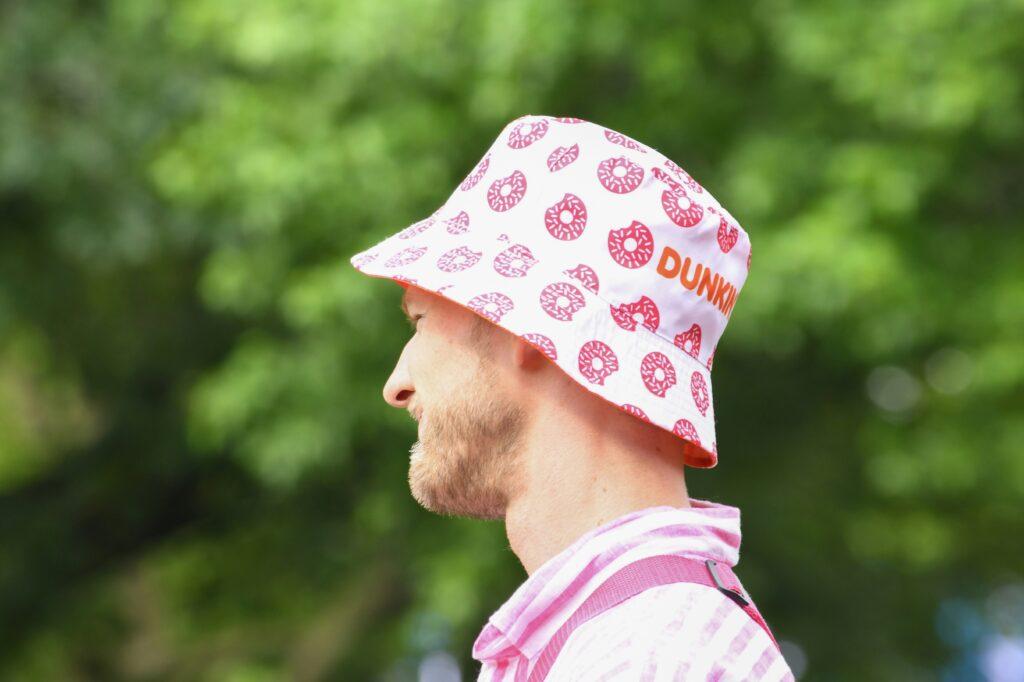
We’ve witnessed a boom in recent years. While a trip to any thrift store is a reminder that merch never really left (especially in the realm of music, sports, and tourism—almost in a category of their own), it seems like businesses at every scale are giving their customers an opportunity to bring a piece of the brand home. It’s not uncommon to see a curated merch display behind the counter of a local coffee shop, or in a bowling alley, or a dive bar (maybe a bit less curated). It’s even permeated the world of celebrity street style.
As a self-confessed merchaholic, I know its appeal all too well. It’s an easy way to support a business you like, showcase local pride, capture a moment in time, demonstrate what you’re into or what you stand for. For brands, it’s a relatively affordable way to get the word out. More importantly, a brand’s merch can give us some unexpected insight into their values, their priorities, and how they view their relationship to us, the customer.
For instance, if a brand has made wearable merch, and people actually want to wear it, they’ve put some thought into things like design, materials, and even fashion trends (yesterday’s bucket hat is today’s pre-faded dad hat). Maybe there’s a coherent visual identity across the brand, or maybe their merch is a chance to break free from that.
Maybe they enlisted the help of a professional design studio, like our friends at Sunrise Homestead. The carpentry and contracting firm in Northern California released a handful of beautifully designed shirts, hats, and hoodies in collaboration with LAND, giving new form to their brand’s warm aesthetics and design sensibility.
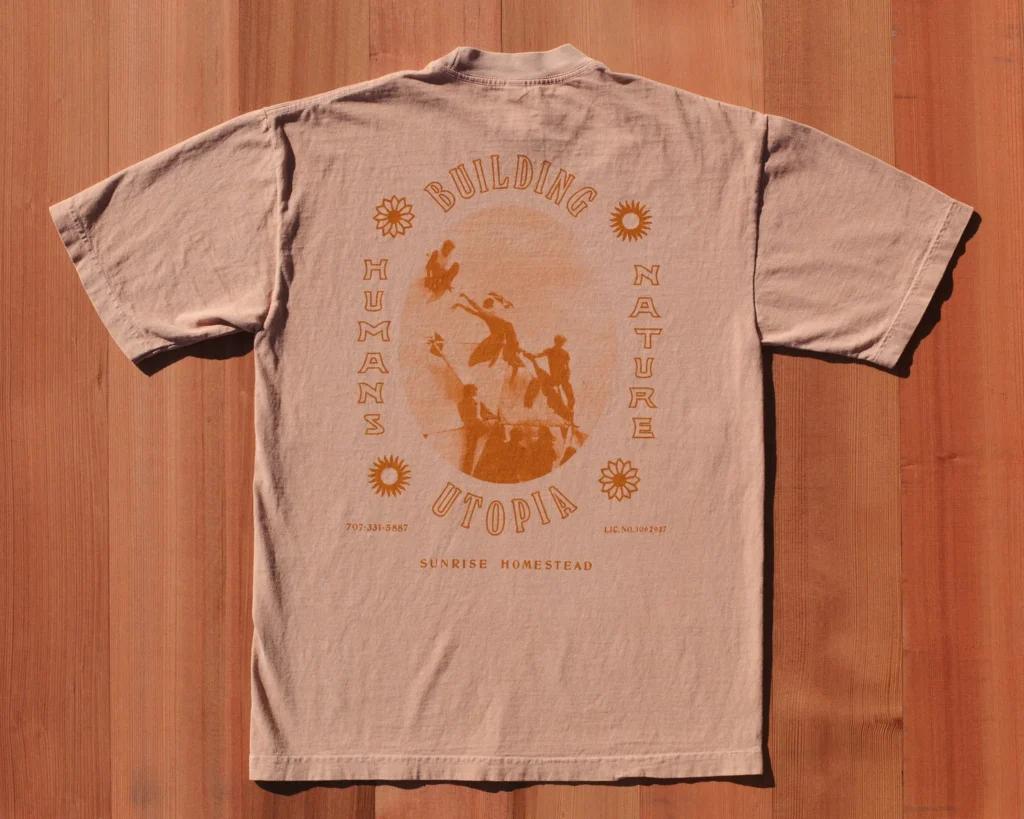
Still, it doesn’t take a world-class design studio to create wearable merch worthy of the laundry rotation. Sometimes it’s just a friend with Illustrator or Figma. Any intentionality behind the items—how they look, feel, and function—will be a welcome reprieve from most of what we find in stores today.
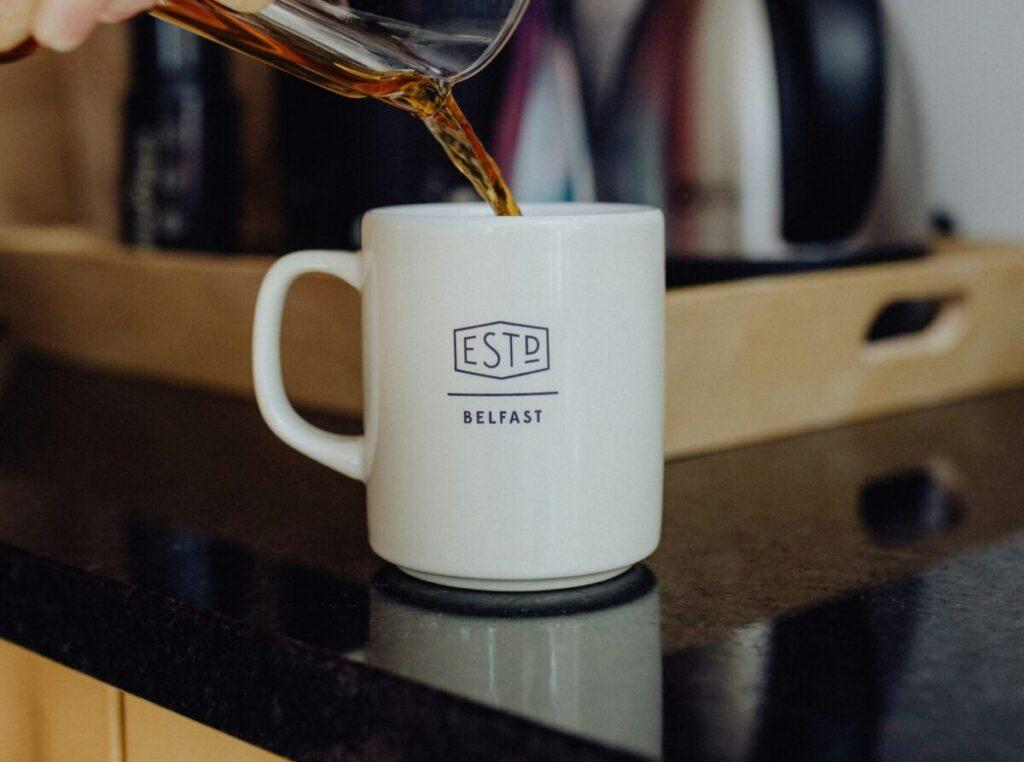
For brands that aren’t concerned with wearability, functionality might be more relevant. By putting a name on the items that people use every day (think mugs, tote bags, pint glasses, notebooks), suddenly the brand becomes part of the homescape. If a baseball cap is public evangelization, a ceramic mug is an invitation into the home. Whether this builds trust, loyalty, or is simply a reminder of a fond memory, it’s a way for the brand to provide a service long after the initial interaction.
Merch isn’t just a powerful audience-facing tool. We also see brands using merch (or company swag) as a way to energizetheir own teams, foster community within the company, or maybe even to appear desirable to potential hires (sure we’ve got good benefits, but don’t you want this sweet Cotopaxi vest with our name on it?).
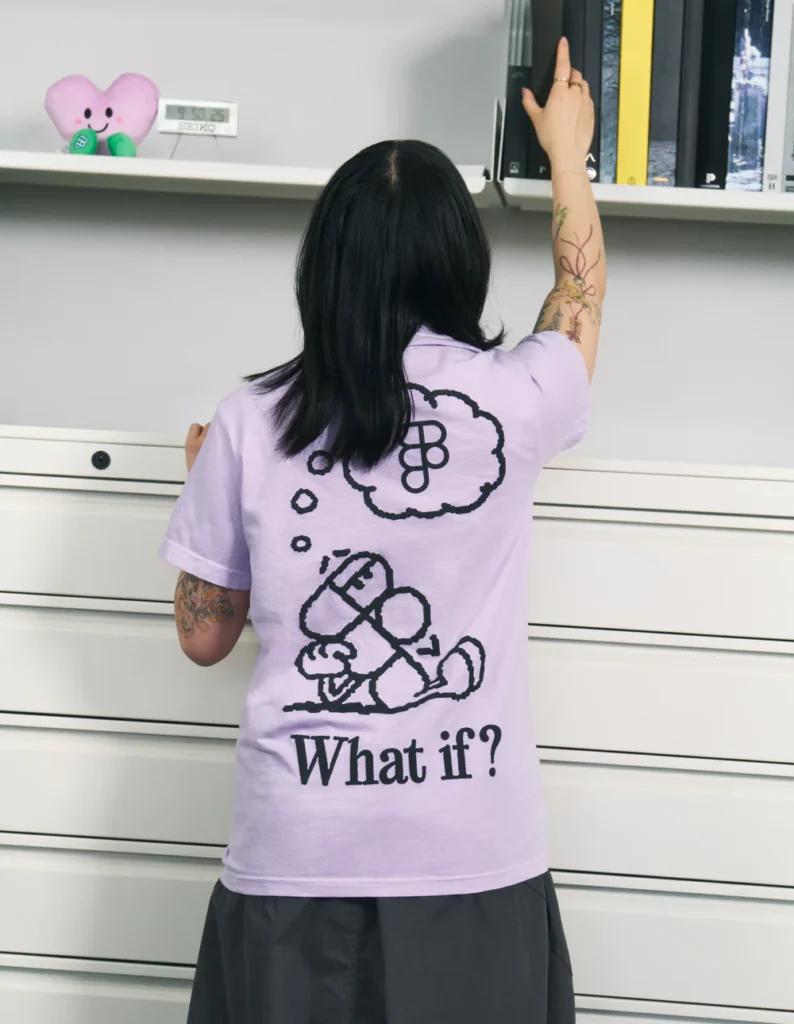
When a company has poured real energy and resources into their brand design, sometimes we see their swag available to the public. This is the case for brands like Figma and Miro, both former clients of ours, who have design-focused cultures and use merch as a reflection of their creative identities.
It would be just as easy to make a case against merch. Do we really need more branding in our daily lives? Does the thrift store (let alone, the environment) need more abandoned t-shirts and mugs? Is there a better way to spend our hard-earned $35?
All valid questions, but there’s no end in sight to the merch wave we’re riding. At the very least we can give a small sticker-shaped boost to the shop around the corner, or help support an institution we like from afar.