Wine Naming: New World, Who Dis?
I was raised in Sonoma County. In wine-growing terms, my family’s home was on the edge of the Bennett Valley American Viticultural Area (AVA). My father would drive me and my three brothers past Russian River Valley vineyards on the way to school everyday. I remember looking out the window at rows and rows of grapevines and thinking about this seemingly mythical drink that was made from their fruit. Wine naming and marketing in the 21st century is an extension of the complex and ancient craft of winemaking. Today, I’ll take a look at the naming architecture of wine through the lens of three winemakers’ Cabernet Sauvignon offerings to see how they tackle naming that specific varietal. The winemakers I’ve selected employ elements of traditional and standardized wine nomenclature, and other less-traditional wine names, to convey the most important parts of their offerings, and solidify their brand and positioning.
A Quick Note on Wine Naming: In the wine industry the term “Old World” refers to the original winemaking regions of Europe, the Middle East, and Northern Africa. All of the other winemaking locations–such as the Americas, New Zealand and Australia, and certain Asian countries–are considered to be the “New World.” Old World wines are typically named after the specific region in which they were grown. For example, authentic Champagne only comes from the grapes grown in the Champagne region of France. Therefore, if a wine is named after a location and not a type of grape, it is likely an Old World wine. New World wines are usually named after the main grape they are made from. As far as naming is concerned a Cabernet Sauvignon can come from California or New Zealand. I will be focusing on New World wines in this article.
Traditionally, wine names are structured and specific, functioning as a strong hierarchy of information. New World wines tend to list these name elements in the following order: Vintage, Winemaker or Brand, Sub-brand, Varietal, Region, Appellation, Vineyard.
- Vintage: the year the grapes that are in the wine were harvested.
- Winemaker or Brand: the person who makes the wine, the name of the original winemaker who founded the winery, or the brand.
- Sub-brand: a branded name or category given to a series of wines—think line, collection, series.
- Varietal: the species of common grape vine (Vitis vinifera) such as Cabernet Sauvignon, Merlot, or Zinfandel.
- Region: a significant growing region where vineyards are planted; Sonoma County and Napa County are examples of wine-growing regions.
- Appellation: a legally-defined and protected geographical indication used to identify where the grapes for a wine were grown; Bennett Valley AVA and Russian River Valley AVA are examples of appellations.
- Vineyard: an area for farming grape-bearing vines, grown mainly for winemaking.
Why Cabernet Sauvignon?
I wanted to offer a comparison across three vineyards in a local geographic region in order to see the range of styles we could find in a small area and with a specific varietal. Cabernet Sauvignon is a storied vine, grape, and wine — especially for California. Notoriously, in the 1976 “Judgment of Paris” wine tasting event, the 1973 Stags Leap District Cabernet Sauvignon from Napa beat out a selection of Bordeaux estate wines in a blind tasting conducted by French wine experts. Given this history and the fact that Cabernet Sauvignon is the most planted grape in the world it was a good vine for comparison’s sake.
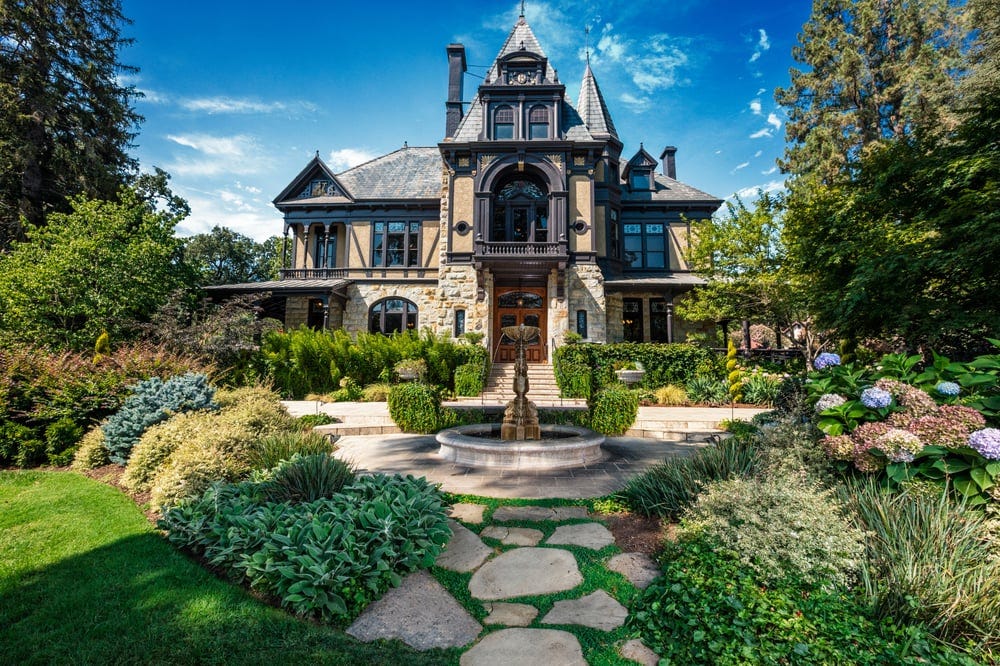
Beringer Vineyards
I’ll start with Beringer, “California’s oldest continually operating winery.” Beringer harvested their first grapes in 1876, and today their wine names are still mostly traditional. As one of the legacy California winemakers it makes a lot of sense for them to maintain traditional branding, which provides clarity for their expansive offering. With approximately 30 Cabernet Sauvignons available at any given time, a traditional structure makes it easy to navigate a possibly overwhelming number of choices. Beringer organizes their wines into “Collections,” including: Private Reserve, Single Vineyard Wines, Distinction Series, Regional Estates, Eighth Maker, Founders’ Estate, Beringer Brothers, Whisper Sisters, and Main & Vine. For a single bottle, these wines range in price from $400 to $5, Eighth Maker to Main & Vine respectively. One of the highest-rated and most expensive wines they offer, the 2013 Beringer Private Reserve Cabernet Sauvignon Napa Valley follows the structure referenced above identically. When were the grapes harvested? 2013. Who made the wine? Beringer. Sub-brand? Private Reserve (for Beringer this sub-brand indicates these wines have been specially selected for since 1977). Varietal? Cabernet Sauvignon. Region? Napa Valley (possibly by not referencing a specific appellation or vineyard they are better able to be flexible and select the best grapes they see for a given year as opposed to designating more specifically).

At the other end of the spectrum in terms of price point are the Beringer Brothers, Whisper Sisters, and Main & Vine collections. One might notice that all of these sub-brand names sound a little more, well, branded and accessible than “Private Reserve” — that is definitely intentional. Beringer appears to have developed an offering for just about anyone’s price point, but wants to maintain tradition with their longer-running collections that have earned wine of the year awards among other accolades. The lower-priced collections succeed as brands because it’s understood that the standards, practices, and important winemaking knowledge that has been cultivated at Beringer for nearly 150 years will still be applied to those wines.
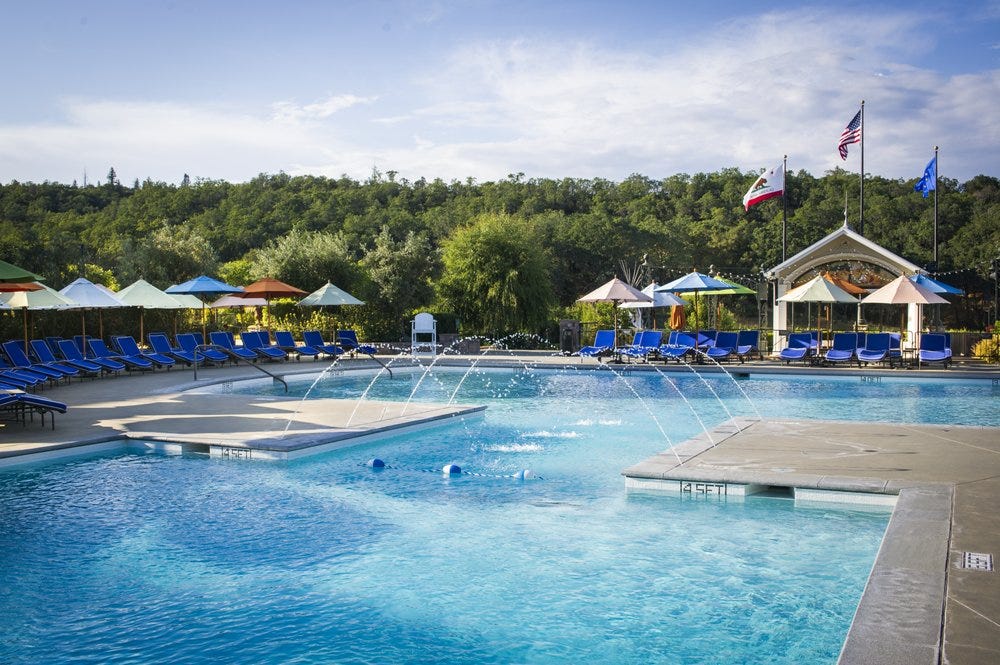
Francis Ford Coppola Winery
The Francis Ford Coppola Winery emphasizes its cultivation of “cinema, wine, food, hideaways, and adventure” and Francis Ford Coppola declares “all of these endeavors embody a celebration of life, merely designed with different tools.” It’s no wonder that the winery is part film memorabilia hall, part family-friendly vacation resort, and part wine and art cultural celebration. Coppola divides its offerings into “Labels” and they offer more than ten Cabernet Sauvignons across six of those labels. The label groupings provide the first identifier for each wine, but sometimes the names grow in complexity and tend towards traditional structure. The labels include: Francis Coppola Reserve, The Family Coppola, Storytellers Collection, Apocalypse Now, Director’s Sonoma, and Diamond Collection.
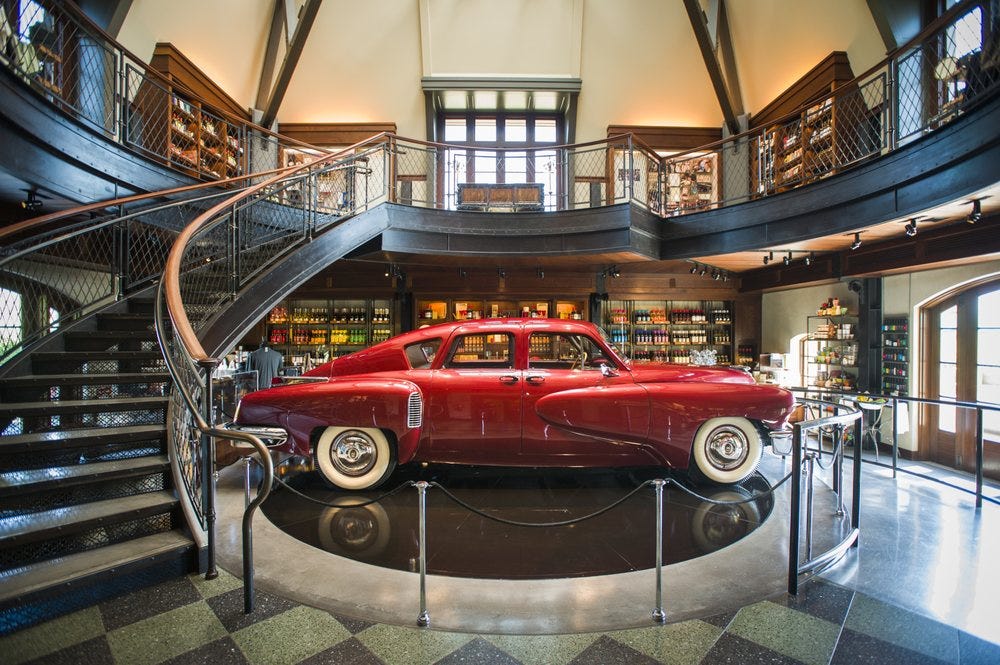
The 2016 Archimedes Cabernet Sauvignon is the flagship wine for this varietal and is named for Francis Ford Coppola’s beloved uncle. Even though they list the Alexander Valley AVA on the bottle, they don’t seem to build that detail into the brand name — this might be because they could make the “same” wine with cabernet grapes from a different appellation some time in the future. On the other hand, 2017 The Family Coppola Cabernet Sauvignon from Pine Mountain-Cloverdale Peak follows a more traditional structure, it includes a Knights Valley AVA on the bottle, but omits that detail in the name in favor of Pine Mountain and Cloverdale Peak (a 3,000 foot mountain in Alexander Valley). It’s clear that Coppola Winery is interested in storytelling, just like its namesake. They pick their moments to be traditional and specific if they like the story they can tell with those elements. If a wine is more playful and modern in its packaging and style they build branded labels like 2014 Director’s Sonoma County Cabernet Sauvignon or 2017 Diamond Collection Ivory Label Cabernet Sauvignon. For Coppola, winemaking is a process of blending the artistic prowess of their family, their love of wine, pastoral settings, and a bit of bacchanalian indulgence. In a pleasant way their wines seem to be a celebration of the winemaking process and the wine community itself, as opposed to a heavily structured or stuffy hierarchy.
Heitz Cellar
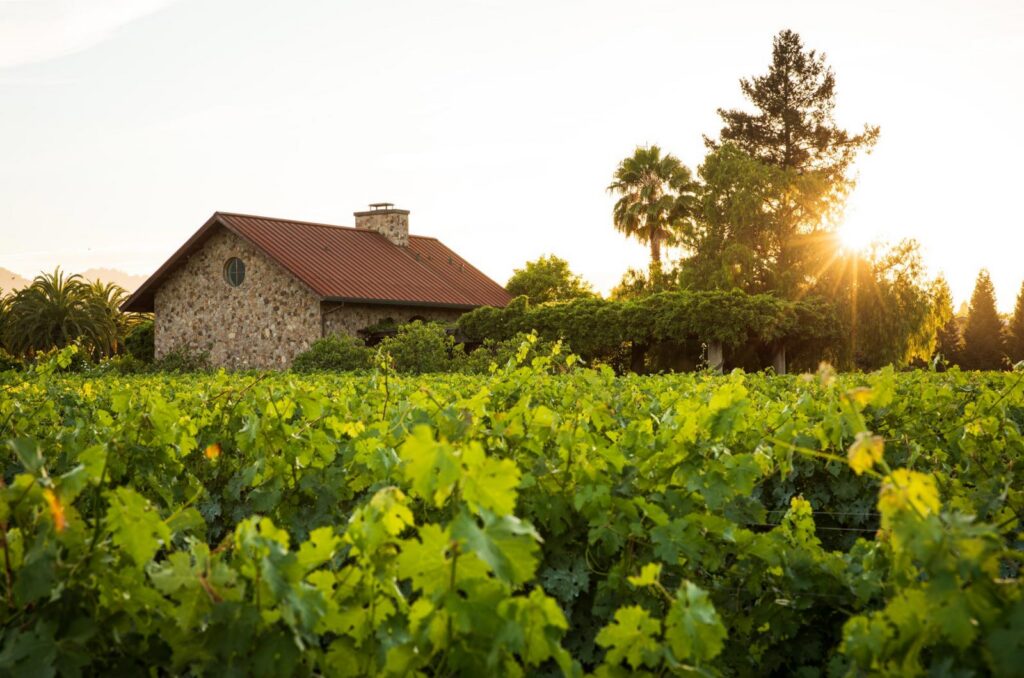
Heitz Cellar is an example of a winery with a concise and elegant naming system. Pioneering Napa winemaker Joe Heitz founded the winery in 1961 and made a name for himself when he created Napa Valley’s first vineyard-designated Cabernet Sauvignon. In fact, Heitz Cellars now makes three vineyard-designated Cabernet Sauvignons — along with several other wines — and names them all with a straightforward, traditional method:
2013 Heitz Cellar Martha’s Vineyard Cabernet Sauvignon
2014 Heitz Cellar Linda Falls Vineyard Cabernet Sauvignon
2013 Heitz Cellar Trailside Vineyard Cabernet Sauvignon
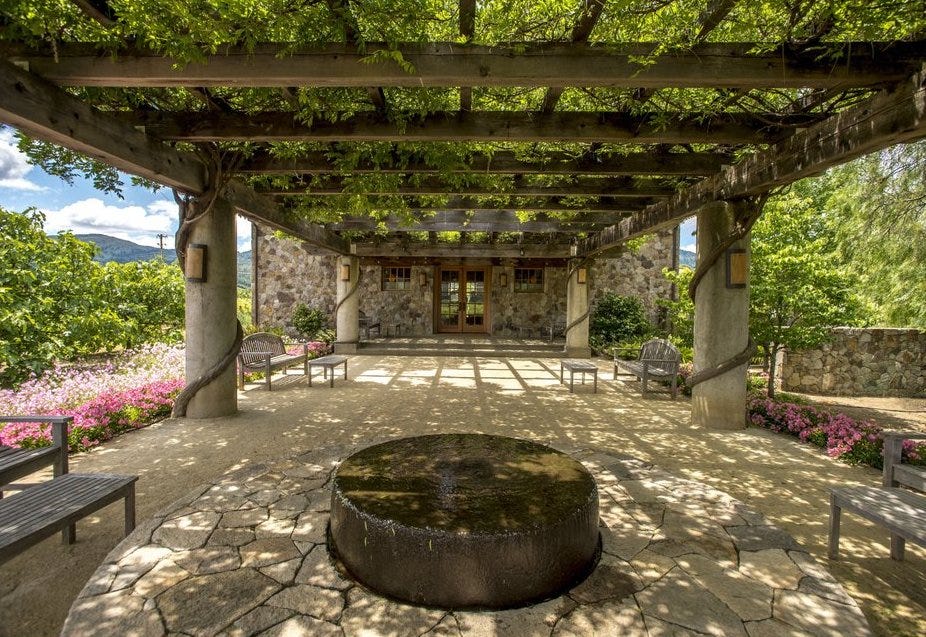
For their one Cabernet Sauvignon that is not vineyard-designated they simply sub out the vineyard names for “Napa Valley.” Et voila, naming elegance intact. There’s a wonderful purity of signal to the naming that mirrors their offering, it is clear and educational for wine connoisseurs and new wine-drinkers alike — both audiences can identify the wines’ origins and learn more about Hetiz through the names. Heitz Cellar could steadily build, and create more offerings as they foster relationships with other vineyards or, in the face of a natural disaster (read: fires and smoke), even close previous labels and not suffer a head ache in restructuring their wine names and portfolio. Ultimately, Heitz Cellar’s naming is seamless, clean, and intentionally relates to the real world as opposed to invented marketing.
Now that we’ve finished this flight, what have we learned? Naming systems and names themselves are important branding tools — they’re especially important for winemakers who need to provide product specifics, abide by appellation laws, and communicate to the wine community around the world. Consumers don’t typically imbibe beverages that they don’t understand so clarity is key for sales as well. Winemakers should honor their commitment to their craft with naming that elevates their wine, their specific style, or their personal journey. Knowing what kind of relationship they want to have with their potential audience is important. If a winemaker can find a voice for their brand, their naming can eloquently speak to geography, terroir, and philosophy.

Thanks to Ben Weis, Rose Linke, Patrick Keenan, and Carl Formaker for coming on this wine tour with me.