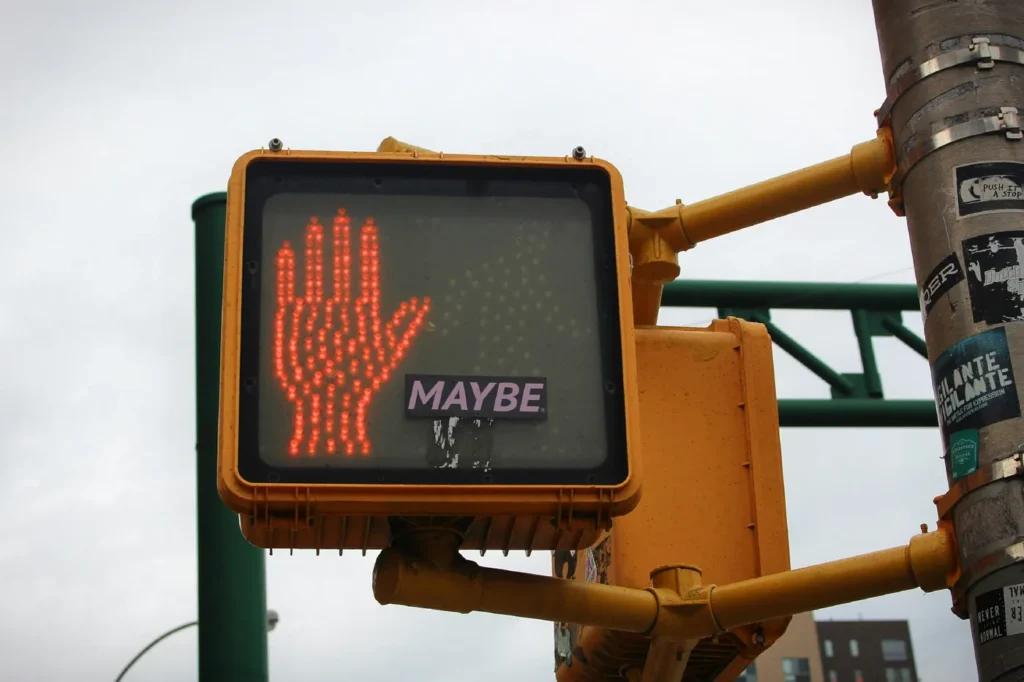
When brand backstories take a front seat

There’s an unmistakable art to the Shark Tank pitch. It almost always begins with a founder’s personal anecdote that introduces a very relatable problem, and then goes on to explain how their product is finally solving it. In other cases, it’s fueled by more of a passion than a problem. Either way, behind each new brand is someone who cares deeply enough to risk it all in order to bring their idea to life.
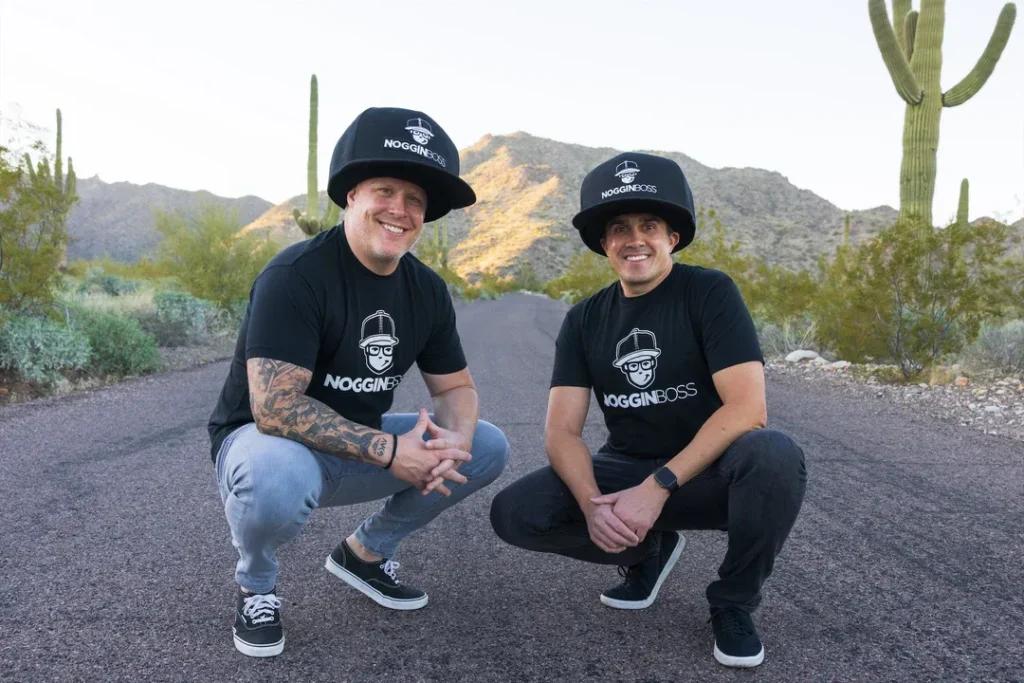
It’s not surprising that so many founders and their stories are inextricably linked with their brands. It’s the output of their incredible sacrifice — their blood, sweat, and tears (occasionally shed on ABC at 8/7c). Still, it’s worth considering the pros and cons of giving a face to a new brand, especially if growth is the goal.
At a smaller scale, the personal touch can work nicely. Maybe this is a local specialty bakery, or small batch hot sauce, or a budding natural haircare brand. Knowing who’s behind a small business can lend an air of authenticity, allowing us to connect with a real person we’re supporting, rather than a faceless corporation. It can foster an emotional connection, especially if we can relate to some aspect of their story. It can also help differentiate the brand, if it’s up against more generic options.

This approach can have diminishing returns as the company scales. Authenticity isn’t exactly synonymous with large corporations, and it may become diluted along a big growth trajectory. Attempts at an emotional connection can feel forced, and a personal story becomes less relevant than other strategic differentiators.
It’s interesting to take note of what it feels like when we encounter these founder-forward brands. Does the origin story resonate, or could we not care less? Do we see a family photo on an About page and go awww, or huh? Sometimes we’re even treated to a video with a narrative song. It’s an inspiring story (and an ear worm), but does it make me feel more of a connection with Larabar, the General Mills-backed brand?
At a certain point in a brand’s success, our expectations are higher and our purchasing decision is based more on quality, reviews, or specific features rather than a fleeting moment of relatability. This is not to say that the personal element should disappear entirely. It can still be satisfying to learn a tidbit about the people behind a brand you love, but ideally the brand can also stand on its own with strong design, messaging, and a solid product.
To ground this in naming, we at A Hundred Monkeys know how hard it can be for founders to navigate their own personal influence over a brand they’ve birthed. It’s like asking a total stranger to name your child, except instead of a newborn it’s a business entity with a growing staff, investors, and insurance policies.
Hiring professionals to name it can already feel like they’ve surrendered some authenticity. But our job is to help them tell the story they want to tell, and make it futureproof. The name may be inspired by personal experience, but ideally it also taps into a more resonant human emotion and supports a strong brand overall.