While most companies would want a brand that’s considered and well designed, there are some situations where having a nice brand feels out of place or even suspect. So what are the situations when it makes sense to have a bad brand that turns its back on design as we know it? When is it to your advantage to know nothing about contemporary aesthetics? Let’s look at a few examples.

Some restaurants
In some restaurants, you’re paying for ambiance. The food should be good, sure. But the interior design and the menu and the signage and the way the employees present themselves are all in the service of creating an experience. They even get you to join in on the act by dressing up. In contrast to these curated experiences, there are restaurants that keep the focus on the food. There’s a tacit agreement between restaurant and diner here: the restaurant won’t spend a bunch of money on design and furnishings and in turn won’t charge its customers for said visual and experiential intrigue.
The funny thing about ambiance is that it exists whether it’s intentional or not. There are plenty of taco bars and burger joints that have really nice ambiance without employing any creative professionals. This approach lends itself to feeling “authentic,” which might be the most misused word in food, but is still something you can feel walking into a restaurant or bar with history or an unapologetic sense of personality. Conversely, there’s something suspect about walking into a sandwich shop or burrito place where it’s clear there was a lot of energy put into the branding and decor.

Anything secret/underground
In most cases, branding is about attracting attention and garnering recognition. If attention is explicitly something you’re trying to avoid, having a nice polished brand isn’t going to do you any favors. Remember ten or fifteen years ago when speakeasies were all the rage? Most of them had entrances that were either anonymous or intentionally deceptive. I once went to a speakeasy in Seoul that was hidden behind an operational florist. There was another in San Francisco where you had to do a secret knock on an unmarked door. The deception is part of the intrigue. Some things are more fun when you have to work for them. This runs counter to the traditional branding principles of standing out and looking good but their clandestine calling cards wind up being really strong branding for those who take notice.

Accountants and lawyers
Accountants and lawyers are known more for their dress code than their brands. Their company names are often just the last names of their partners, no matter how long or terrible sounding. I imagine this comes from an olde tyme sense of standing behind your work so much you’ll stake your reputation on it. What doesn’t really fit for most accountancies or law firms is having a brand that says you’re concerned with marketing or appearances beyond being seen as upstanding and professional. The one outlier here is personal injury lawyers who seem to recognize the power of bombastic billboards and getting your face out there. I’d love to see a white shoe law firm try out this tactic. Alas, most law firms and accountancies want the work to speak for itself.
Anything punk
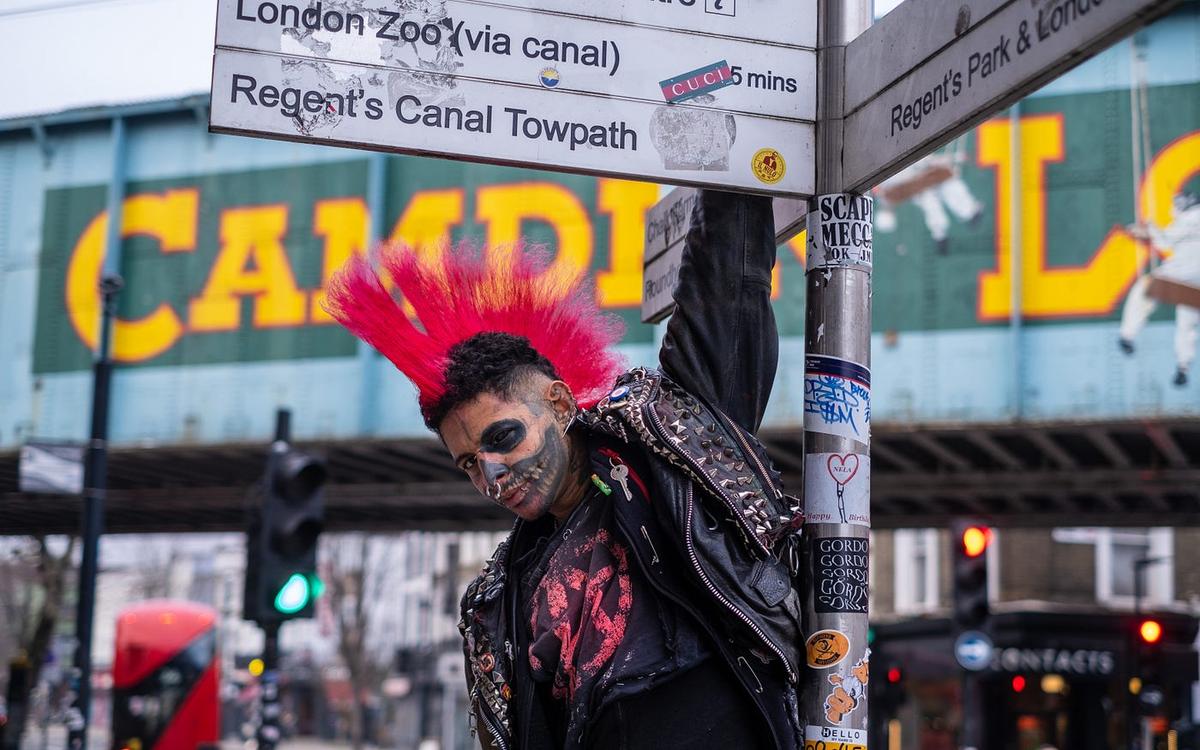
As a non-punk, it looks like a big part of being punk is about sneering at corporate culture and social conformity in general. As branding has become widely accepted for helping businesses grow and gain recognition, it is decidedly not punk at all. The funny thing about being anti-anything is that you’re letting prevailing conventions dictate what’s fashionable and then seizing the empty space, which happens to be branding 101. In this sense punk is heavily branded, just with the aim of being aggressively anti-mainstream.
What constitutes good branding is clearly subjective and fluid. People can disagree about which brands are appealing and the brands that were appealing last year might not be so appealing today. There’s something meta going on here — or at least what meta meant a year ago. You have a brand whether you intend to or not. However, being perceived as putting effort into your brand or appearance is seen as undesirable in many situations.
So is it possible to have a good brand while not trying to? Absolutely. It’s even possible to have a good brand while trying to have a bad brand. You’re standing out and signaling your values. Branding needs to be more about personal expression and small audiences, and less about aesthetic gatekeeping. The world needs more people and businesses who don’t care about what a restaurant or bar is supposed to look like. This is how you avoid ending up with subway tile in every coffee shop and Airbnbs that look the same whether you’re in São Paulo or Providence.